
Understanding Recognition in Dementia Patients: Can They Recognize Family?
7/27/2026


Introduction to Dementia and Recognition
Dementia is a progressive brain disorder that affects memory, thinking, and behavior. One critical concern for families with a loved one suffering from dementia is whether the patient can recognize family members. Recognition may fluctuate based on the stage of dementia and the individual’s cognitive abilities. Understanding these nuances can help families cope and better communicate with their loved ones.


Factors Influencing Recognition
The ability of dementia patients to recognize family members varies markedly across individuals and depends on several factors. For instance, the type of dementia influences recognition capabilities. Alzheimer's disease, the most common form of dementia, typically affects memory first, particularly short-term memory, making it difficult for patients to recall recent events or even the names of family members.
Moreover, emotional connections play a significant role. While a patient might forget a family member's name, they may still react positively to their presence due to ingrained feelings of love or safety associated with them. This emotional recognition can lead to moments of clarity and affection that provide comfort for both the patient and their family.




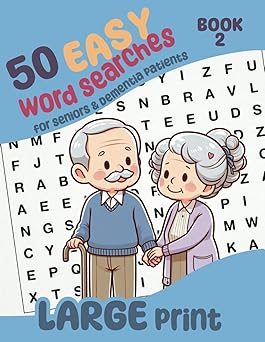
Brain Stimulating Books


Providing Supportive Interaction
Recognizing that a dementia patient may or may not recognize their family involves adapting the way families interact with them. Engaging in familiar routines or activities can jog their memory and foster a sense of normalcy. Utilizing photographs and reminiscing about shared experiences can also aid recognition, as visual cues often help dementia patients connect past and present.
It is essential for family members to maintain a calm demeanor and offer reassurance. Even if verbal communication is compromised, non-verbal cues such as touch, eye contact, and facial expressions can communicate love and warmth. Understanding the emotional aspects of recognition can greatly enhance the quality of interactions, making visits more fulfilling.
Note
While the ability of dementia patients to recognize family members often fluctuates, it is crucial to approach each interaction with empathy and understanding. Families should cherish the moments of recognition, however rare, and focus on creating an environment that fosters comfort and connection. The journey with a loved one experiencing this condition is challenging but can be enriched through supportive practices that prioritize emotional closeness over immediate cognitive recognition.
Connect
© 2025. All rights reserved.